
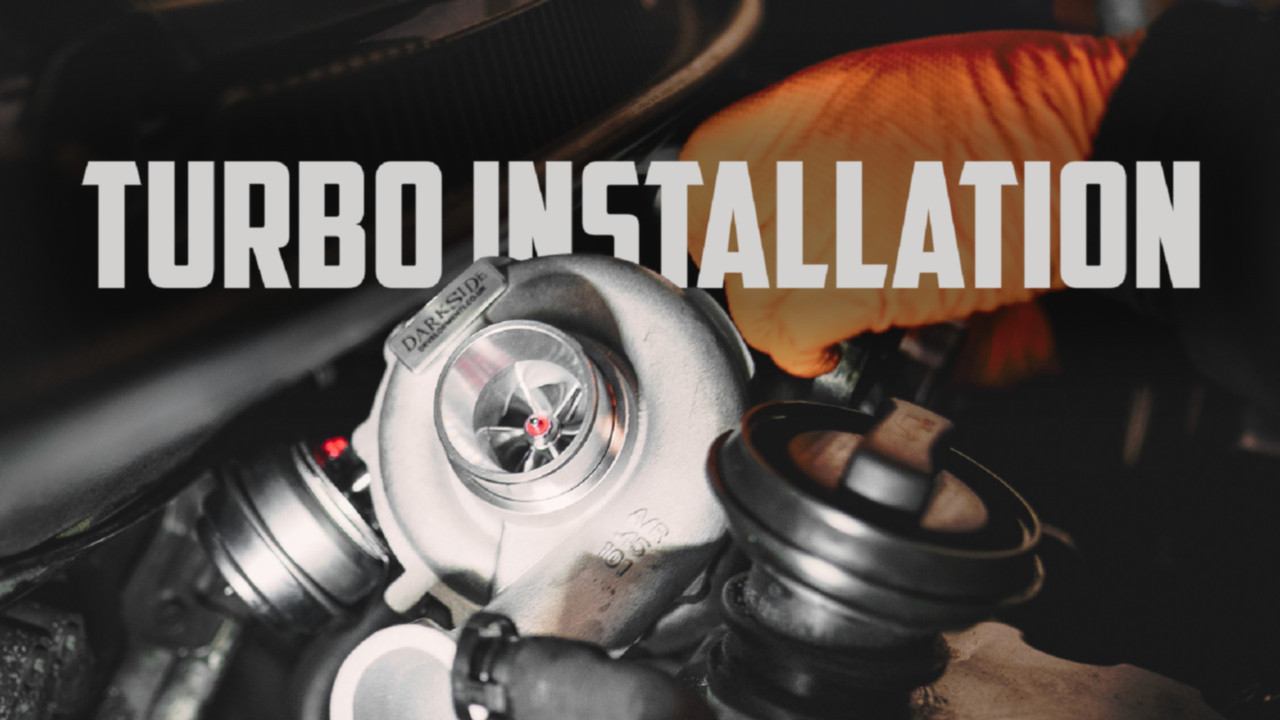
Turbocharger Installation Tips
Fitting a new turbocharger may sound simple but it is easy to miss key steps that could result in another failure of your new turbo!
Below are the critical installation tips you should follow to ensure correct installation.
1. Fully Remove and Drain the Old System
Before installing your new turbocharger, remove the old unit and drain all oil from the system. Contaminated or degraded oil is one of the most common causes of premature turbo failure.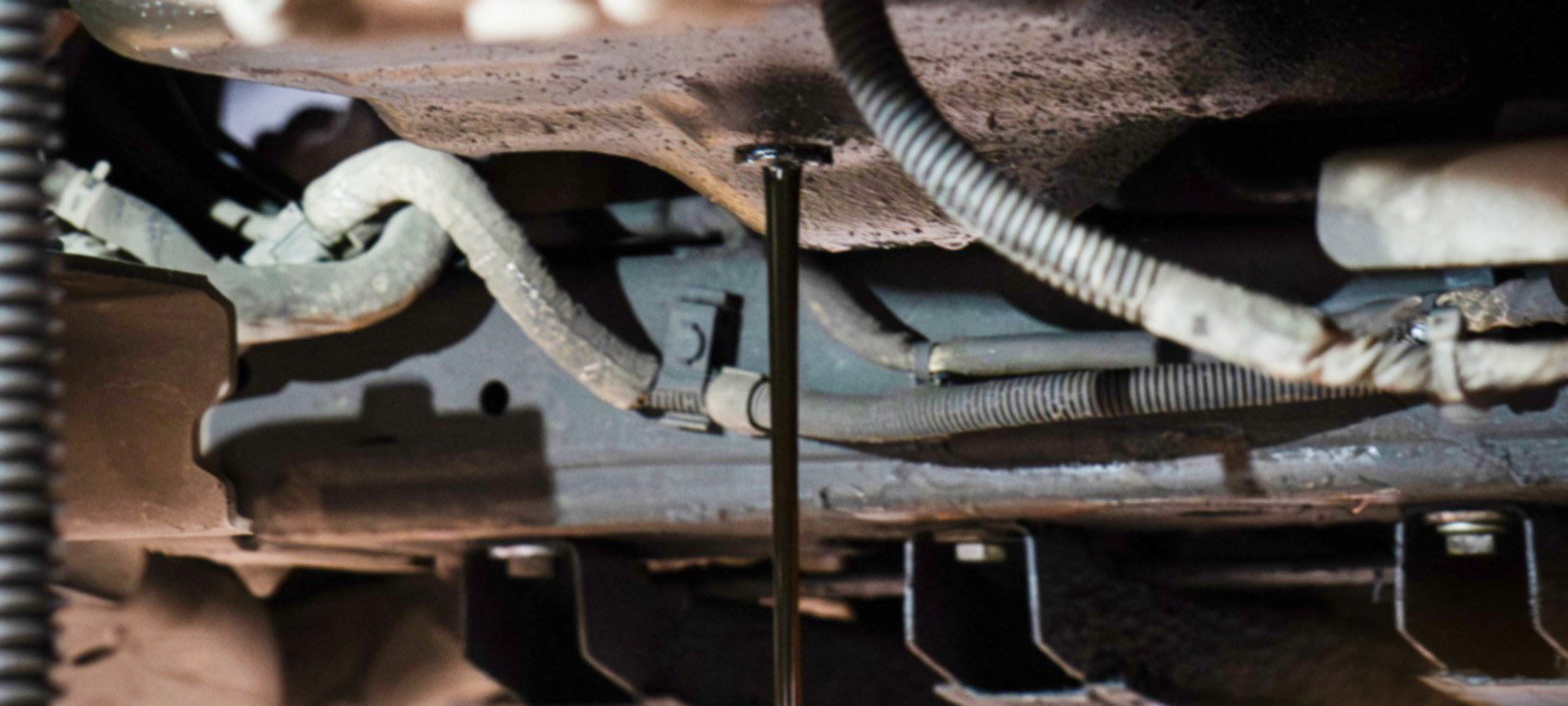
2. Inspect for Debris Before Installation
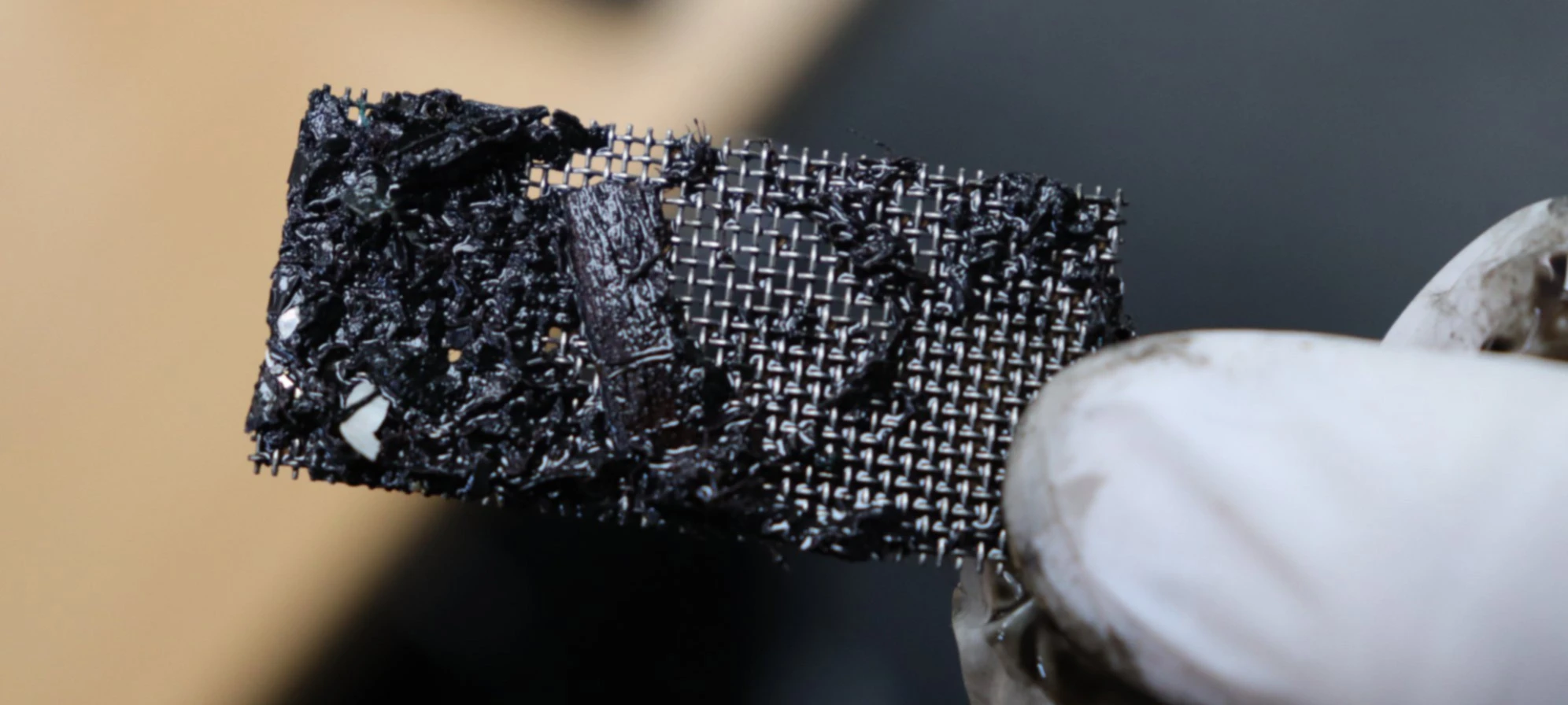
It’s important to check every related component for debris or contamination before fitting the new turbo. Any debris left from previous turbo failure can potentially cause the new turbo to also fail.
Check the following:
- Turbo Intake Pipe (TIP) and airbox
- Intercooler and boost pipes
- Rocker cover and breather pipe
- Oil Feed and Return
- Sump and oil pick-up pipe
- EGR valve and cooler
- Vacuum pipes
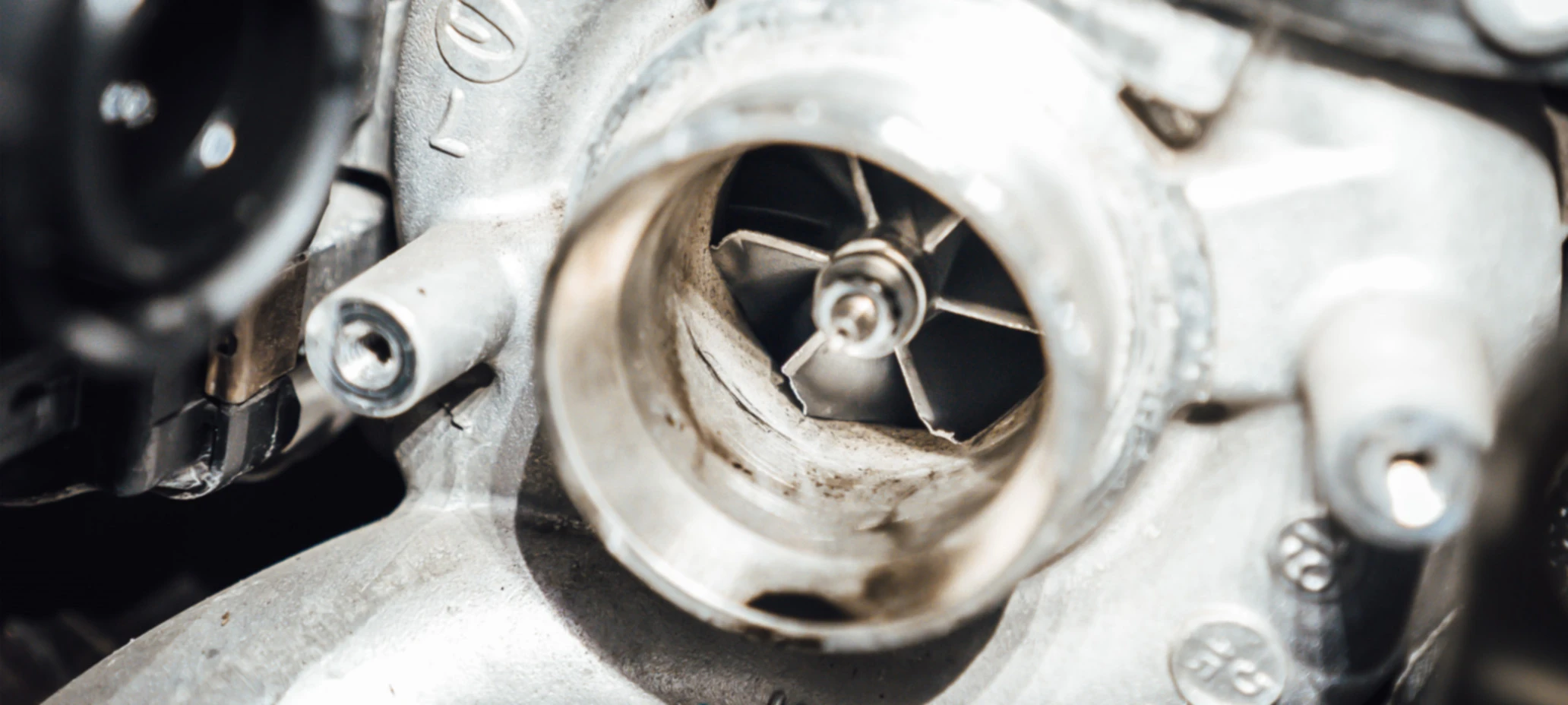
If any debris or damage is found, clean thoroughly or replace the affected parts. Foreign object damage is a leading cause of new turbocharger failures and is entirely preventable with proper checks.
3. Check for Bungs
Before installation, inspect all oil feed and return lines as well as all inlet and outlets for any bungs, blanks, or protective caps.
It sounds obvious but failure to remove a bung can result in instant turbocharger failure on start up.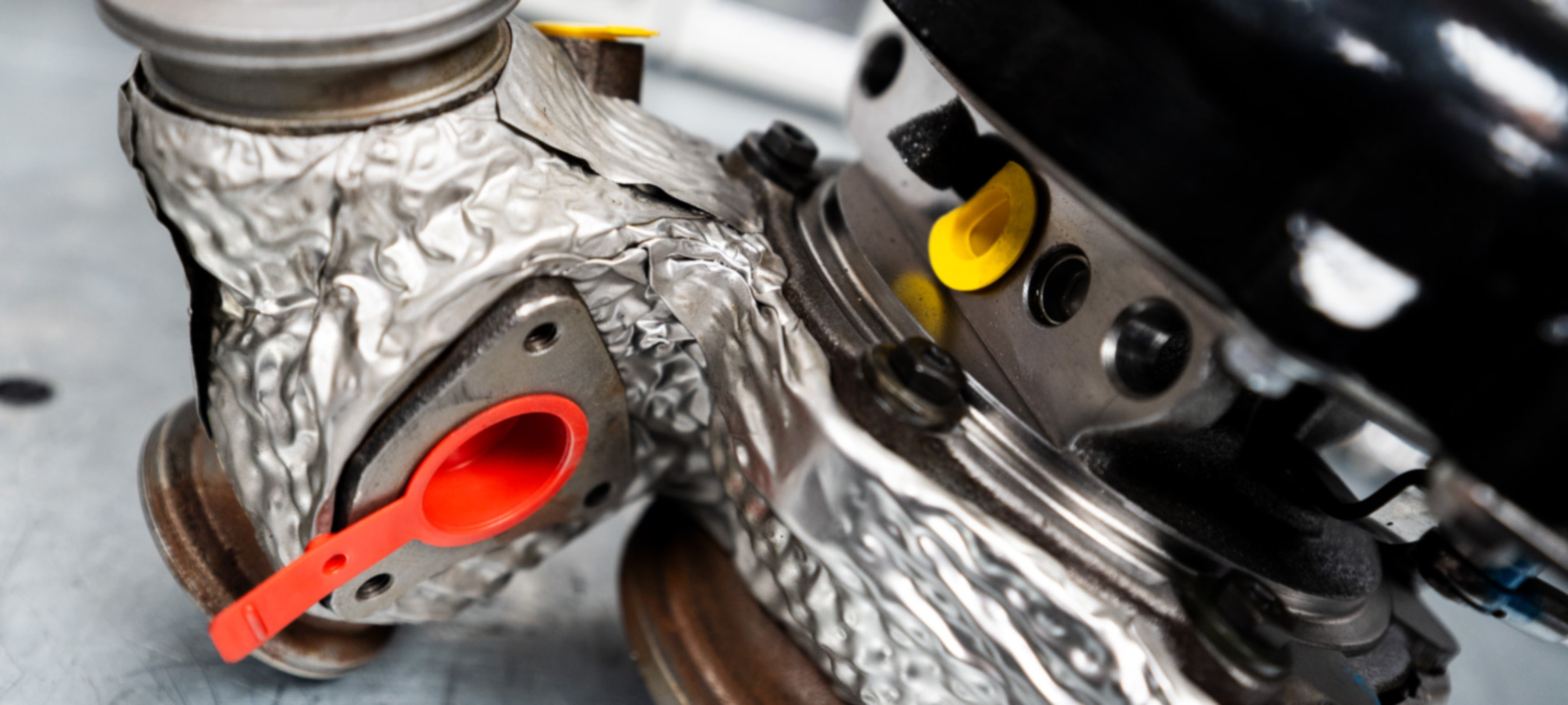
4. Replace Oil, Oil Filter and Air Filter
Always carry out a fresh oil change, new oil filter and air filter when installing a turbocharger.
We also recommend replacing the oil feed and return pipe during installation.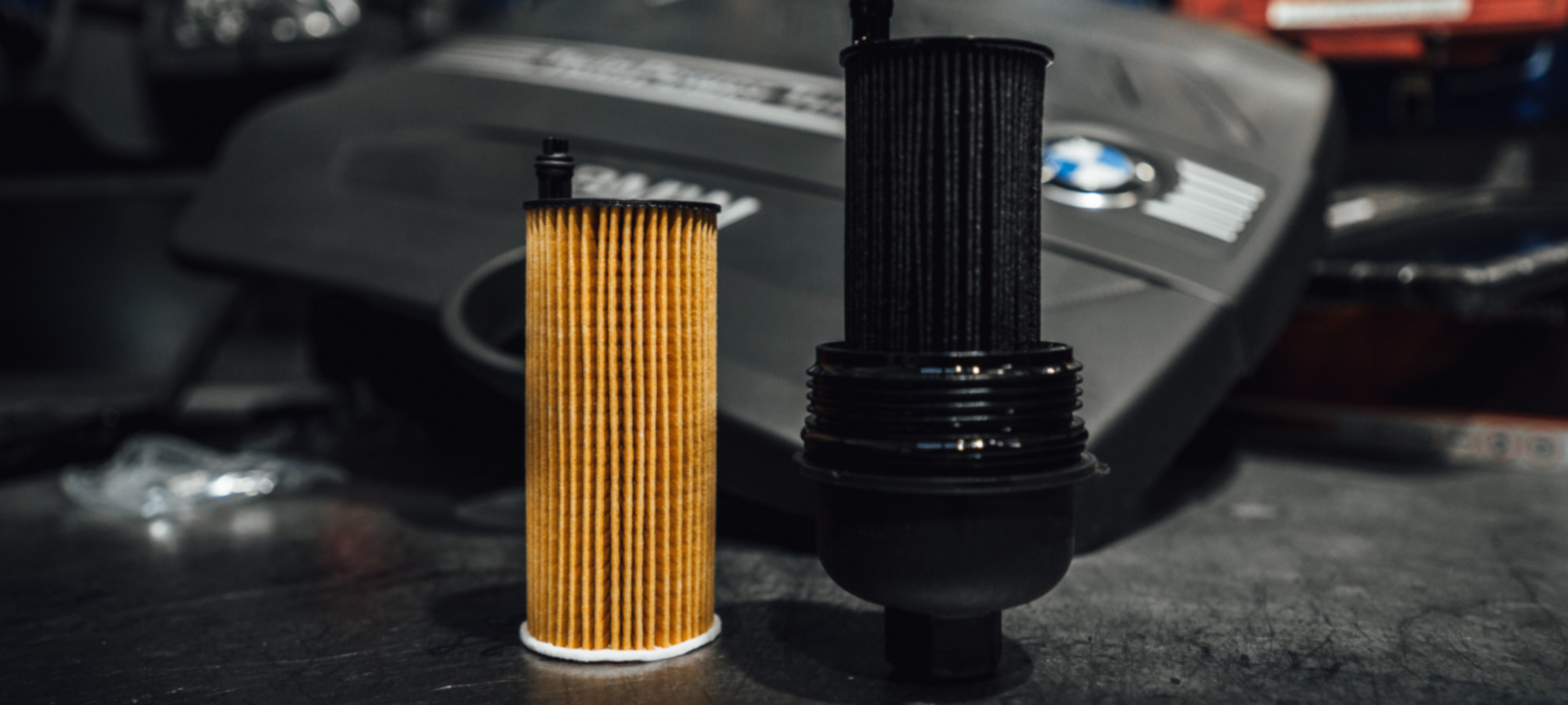
5. Priming the Turbocharger
Before starting the engine, it is essential to properly prime the turbocharger with clean engine oil. This ensures that the internal bearings are lubricated from the very first rotation, preventing dry start damage.
To prime the turbo:
- Use the provided syringe or pour a small amount of fresh engine oil directly into the oil feed port of the turbo.
- Rotate the compressor wheel gently by hand to help distribute the oil internally.
- Disable the engine’s fuel or ignition system and crank the engine for several seconds to allow oil pressure to build and reach the turbocharger.
Only once you are confident that oil has circulated through the system should you start the engine normally.
Failure to properly prime the turbo can result in immediate bearing damage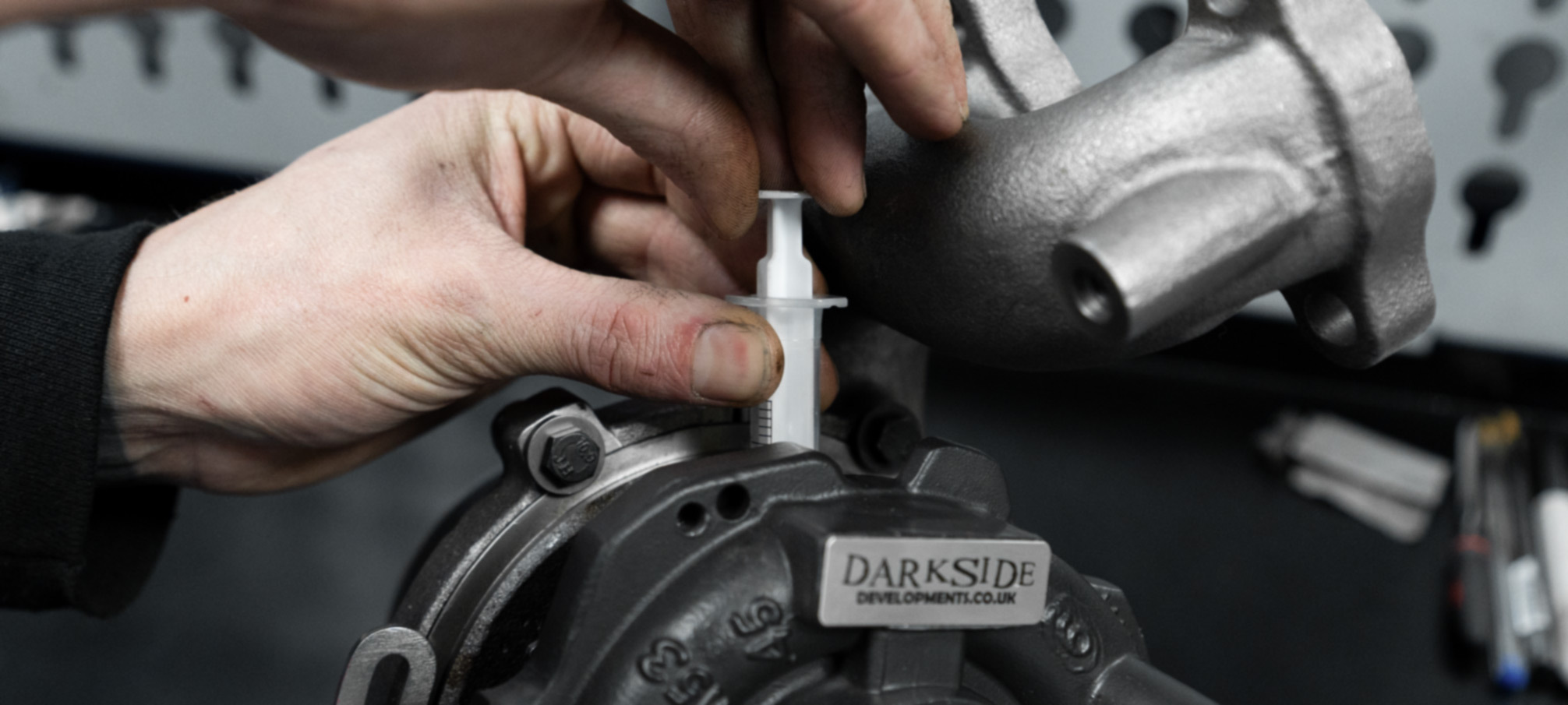
6. Warranty
Failure to carry out ALL of the above steps will void all warranty.
Recent Posts
-
Turbocharger Installation Tips
Fitting a new turbocharger may sound simple but it is easy to miss key steps that could result in an …21 04 2026 -

Let’s talk about VW’s 6 Speed Manual Gearboxes
Many of us discuss what a true ‘drivers’ car should be, most say that 3 pedals and driver input via …26 01 2026